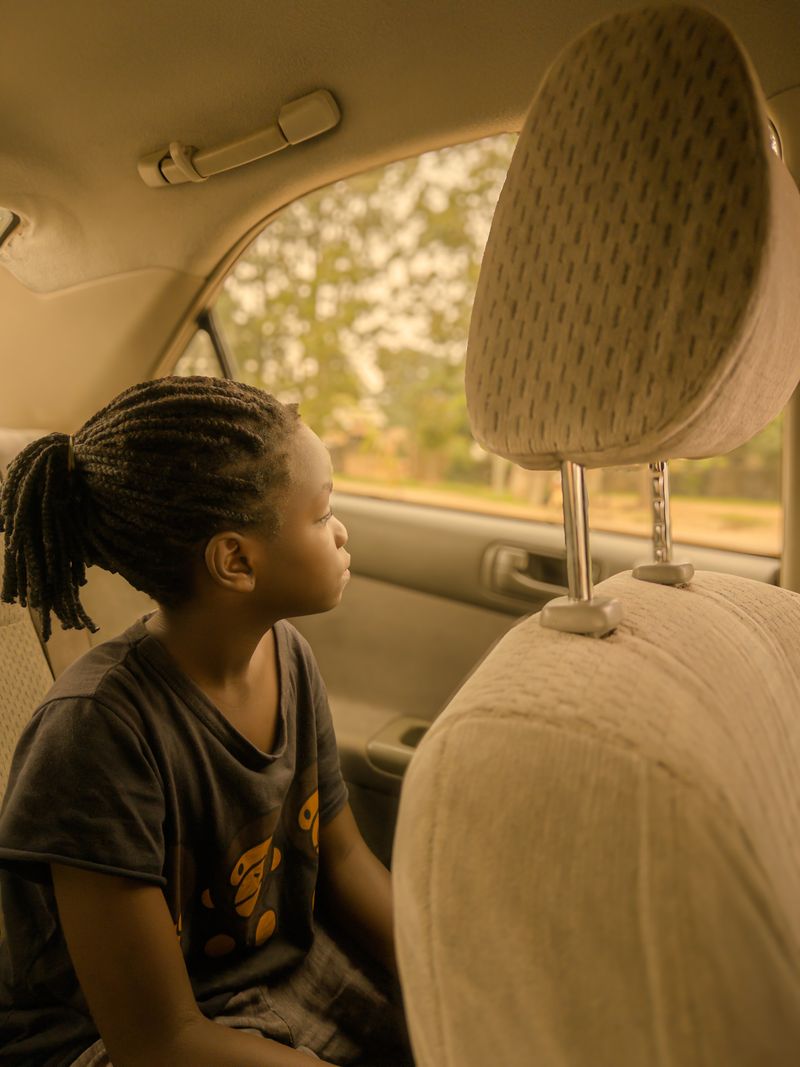
After the Hike: Why the Car Ride Home Can Undo a Great Day
Most hiking advice stops the moment you get back to the car. For a lot of neurodivergent kids, the trail isn't the hard part. The transition back is. A kid who regulated beautifully for two hours on the trail can fall apart in the parking lot, melt down on the drive home, or seem fine until bedtime and then completely unravel. None of that means the hike failed. It usually means the nervous system is finally safe enough to let go.
🔋 Why the Crash Happens
Staying regulated on a hike takes real, sustained effort: managing new sights, sounds, smells, uneven ground, and social demands, sometimes while also holding it together in front of siblings or other families. That's a lot of internal work, even on a good hike. Once the demands stop, back at the car, the adventure over, nothing new being asked of them, the effort of holding it together can drop away all at once. That's often a sign the hike actually worked. The bill is simply coming due now that it's safe to let go.
This can look like:
- A meltdown in the parking lot that seems to come from nowhere
- Falling asleep instantly in the car, or staying wired and unable to settle
- Irritability or tears hours later, at dinner or bedtime, disconnected from anything that just happened
- A sudden refusal to talk about the hike at all, even if they loved it
🧊 Building a Decompression Buffer
Just like the getting-ready routine before a hike, the ride home works better with its own predictable shape: a soft landing between trail mode and home mode.
- Keep the Car Ride Low-Demand: Skip the debrief questions for the first stretch of the ride (what was your favorite part can wait). Low lighting, familiar music or silence, and no new decisions to make (snack choice, seating, temperature) all reduce the load right when capacity is lowest.
- Have a Coming-Down Snack or Object Ready: The same predictable, low-effort snack every time, or a comfort item kept in the car specifically for the ride home, can act as an anchor between trail mode and home mode, the same way a countdown ritual eases the transition into a hike.
- Don't Rush Straight into the Next Thing: Building in 20 to 30 minutes of unstructured time at home before dinner, errands, or screens gives the crash somewhere to land safely instead of colliding with the next demand of the day.
- Expect a Delayed Reaction, and Don't Take It Personally: A meltdown two hours after a wonderful hike isn't a review of the hike. It's often the accumulated cost of a full day finally surfacing once your kid feels safe enough to let it.
💬 Making the Debrief Work for Your Kid
Talking about the hike can build real connection, but timing and format matter more than most parents expect.
- Wait for It, Don't Force It: Some kids want to talk immediately; others need hours or even until the next day before "how was the hike" feels answerable instead of overwhelming.
- Offer a Non-Verbal Option: A photo, a drawing, or picking a small hike souvenir (a rock, a leaf) to add to a jar at home lets a kid process the experience without narrating it.
- Keep It Short: One or two genuine questions land better than a full recap. Let your kid set the length of the conversation.
🫂 The Parent Side of Coming Down
You're regulating your own effort too: watching the trail, managing gear, tracking your kid's state the whole time. It's fair to give yourself the same low-demand ride home you're giving your kid. A quiet ten minutes in the driveway before unpacking the car isn't wasted time. It's the same decompression buffer, just for you.
🔗 Related Transition Guides
This is the flip side of leaving home for the trail, and the same idea applies to your own capacity too:
Want a predictable end to the day?
Trails with easy, close-in parking make for a shorter, calmer transition back to the car.

🌲 TrailKids is free to use, but not free to make. If it's helped you, consider a small donation to keep it running. ☕