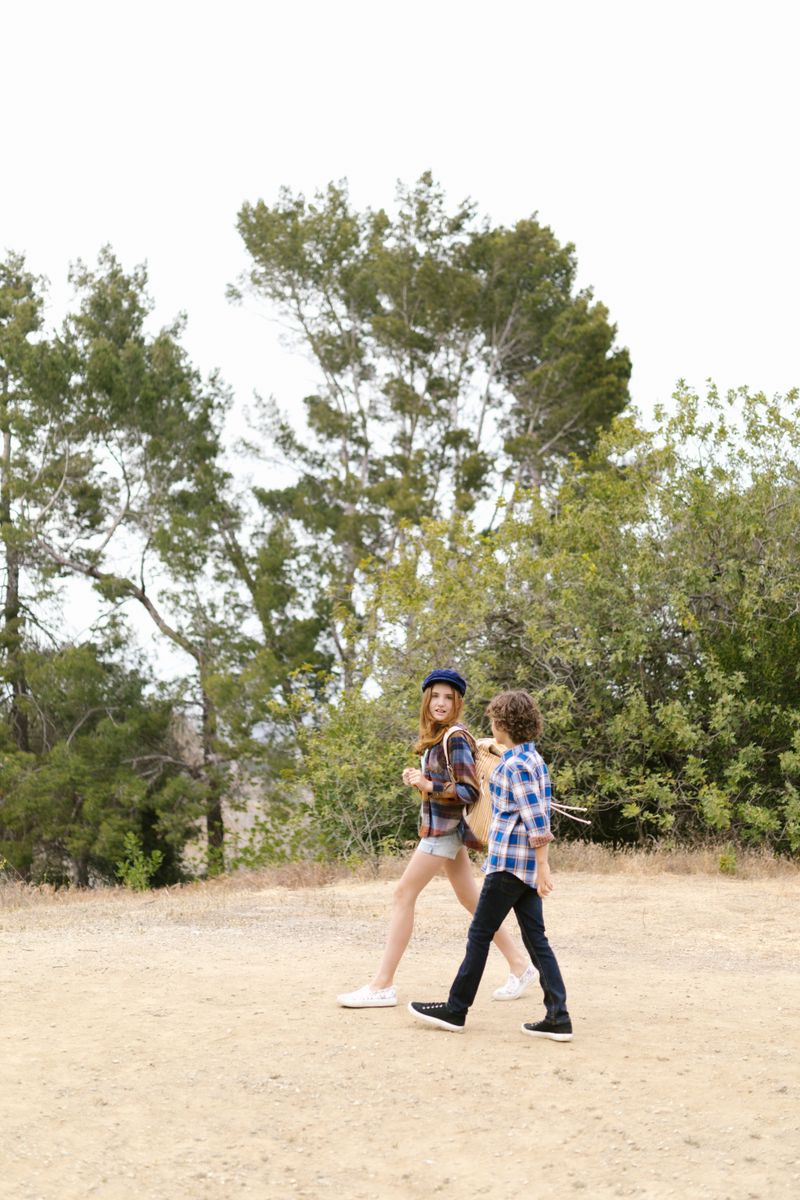
Different Paces, One Trail: Hiking with Siblings Who Have Different Needs
If one of your kids wants to sprint ahead and the other needs five minutes to adjust to the smell of pine needles before taking a single step, you already know that "let's go on a family hike" can mean two very different hikes happening at once. This comes up in a lot of homes where one child is neurodivergent and another isn't, or where siblings have different profiles from each other. It's a common situation, and there are ways to make it work for everyone without any one kid carrying the weight of the day.
🌗 What Tends to Go Wrong
A trail picked for the ND kid's pace can leave a sibling bored or frustrated. A trail picked for an older or more adventurous sibling can push an ND kid past their limit before the hike even starts. And in the middle of all that, it's easy for a sibling to end up as an unofficial helper, asked to wait, share attention, or manage their own disappointment so a parent can focus on the kid who needs more support in the moment. Over time, that pattern can build resentment on one side and guilt on the other, even when nobody meant for it to happen.
🤝 A Few Things That Help
- Split the roles between adults when you can. If there are two adults along, having one lead with the faster or more independent kid while the other stays with the kid who needs more support lets both children get an experience matched to what they need that day, instead of one hike stretched to cover both.
- Search separately for each kid's needs. TrailKids' filters are built around one sensory profile at a time, so instead of hunting for a single trail that checks every box for both kids, run one search with whatever your ND kid needs, say and an , then run a second search with whatever your other kid actually needs. Two short lists to pick from beats one impossible one.
- Let the "job" rotate. On solo-parent hikes, giving an older sibling something they own, like choosing the next landmark or holding the map, can turn waiting time into a role instead of a chore. It won't work every time, and that's fine.
- Name what's happening out loud. Kids notice when attention is uneven, even young ones. A short, honest comment like "your brother needs some extra help right now, and we'll do something just for you later" goes further than pretending nothing is going on.
- Protect one-on-one time outside the group hike. A sibling who often takes a back seat on family outings benefits from having their own outing sometimes, without the rest of the family along. It doesn't have to be a hike. It just needs to be theirs.
- Watch for the sibling who never complains. Some kids adapt so well to being flexible that it looks like they're fine. Check in directly rather than assuming quiet means content. A simple "how did today feel for you?" can open a door that a busy day never gave time for.
🔀 When Siblings Are Both ND, Just Differently
Two neurodivergent kids in one family can still have very different needs, one seeking sensory input and moving fast, another avoiding it and moving slow. The same splitting and rotating strategies above still apply. The goal isn't to make every hike equal for both kids. It's to make sure both kids get hikes that fit them, even if that means separate trips sometimes instead of one trip trying to be everything at once.
If each of your kids has a distinct profile worth reading up on individually, our hub can point you to a deeper read for each one.
📸 It's Okay if Not Every Hike Includes Everyone
Some of the best family hiking happens when you let go of the idea that every outing has to include the whole family every time. A parent and one kid on a short local trail, while another parent and sibling do something else entirely, is still a family hiking together. It's just spread out differently than the group photo version.

🌲 TrailKids is free to use, but not free to make. If it's helped you, consider a small donation to keep it running. ☕