
Sunscreen and Bug Spray Battles: Sensory-Friendly Sun and Bite Protection for the Trail
Sunscreen and bug spray are non-negotiable on many trails, but for a sensory-sensitive kid they can turn a five-minute prep routine into not wanting to hike at all. The greasy feel, the smell, the cold first touch: any one of these can trigger a full derailment before you've even left the driveway.
🧴 Why Sunscreen Is Such a Common Fight
Most spray and lotion sunscreens rely on chemical filters and fragrance that can feel sticky, smell strong, or sting near the eyes. For a child who already runs hot on tactile input, that's a lot to ask them to tolerate calmly right before something exciting like a hike.
☀️ What Tends to Work Better
- Sun Shirts & Wide-Brim Hats: Sun shirts and a wide-brim hat generally cover most of what sunscreen would otherwise have to do, and cut down how much bare skin needs it at all.
- Mineral Stick Sunscreen: Mineral stick sunscreen (zinc oxide or titanium dioxide) applies like a crayon and skips the wet, greasy feeling entirely.
- Fragrance-Free, Not Just Unscented: Some "unscented" products still use a masking fragrance, so check the label carefully for "fragrance-free".
- Check the Temperature Before Applying: Warm it up first if the stick is straight from a cold car. And cool down to room temperature if the stick feels extra warm. A few seconds in your hands softens both the texture and the temperature shock.
- Let Them Apply It Themselves: Let them apply it themselves where possible. A lot of the distress is about losing control of what's happening to their body, not the sunscreen itself.
🦟 Bug Spray Fights Are Usually About Smell, Not Touch
Where sunscreen fights are about touch, bug spray fights are usually about smell. DEET-based sprays have a strong, sharp scent that can be overwhelming at close range, especially when it's being sprayed directly onto or near a child's body.
- Picaridin-Based Repellents: Picaridin-based repellents are nearly odorless and, per a 2018 review of 140+ studies, provide comparable protection to DEET, without the smell.
- Wristbands & Clip-On Repellents: Wristbands and clip-on repellents keep product off the skin entirely, sidestepping both the smell and the texture problem at once. They work best on trails with low-to-moderate bug activity rather than deep marsh or dusk hikes.
- Herbal-Oil Patches: Herbal-oil patches, like Odomos's wearable citronella patches, are an appealing option for a lot of sensory-sensitive kids: no spray, no direct skin contact, and often a "fun sticker" framing that removes the fight entirely. The honest tradeoff: citronella-based repellents are safe, but the research shows they protect for less time and at a shorter range than DEET or picaridin, sometimes well under an hour depending on the formulation. They're a solid pick for a short, low-bug-density trail near home; for a longer hike or a buggier spot, pair a patch with a backup plan (a wristband, or treated clothing) rather than relying on it alone.
- Treat Clothing Instead of Skin: Permethrin-treated clothing (treated at home before the hike, not sprayed on-site) handles a lot of the bug protection without putting anything directly on the child at all.
⏰ Build It Into the Routine, Don't Fight It in the Moment
Whichever combination works, doing this at home, in a predictable spot, before the car-ride excitement starts, goes better than doing it rushed in a parking lot.
🛒 Sun & Bug Protection Worth Trying
We only list gear that's actually mentioned above, not paid placements. As an Amazon Associate, TrailKids earns from qualifying purchases.

A mineral stick that applies like a crayon, skipping the wet, greasy feel this list flags as a common trigger.

Another mineral stick option for sensitive skin, with no white residue, for the same crayon-on application this list recommends.
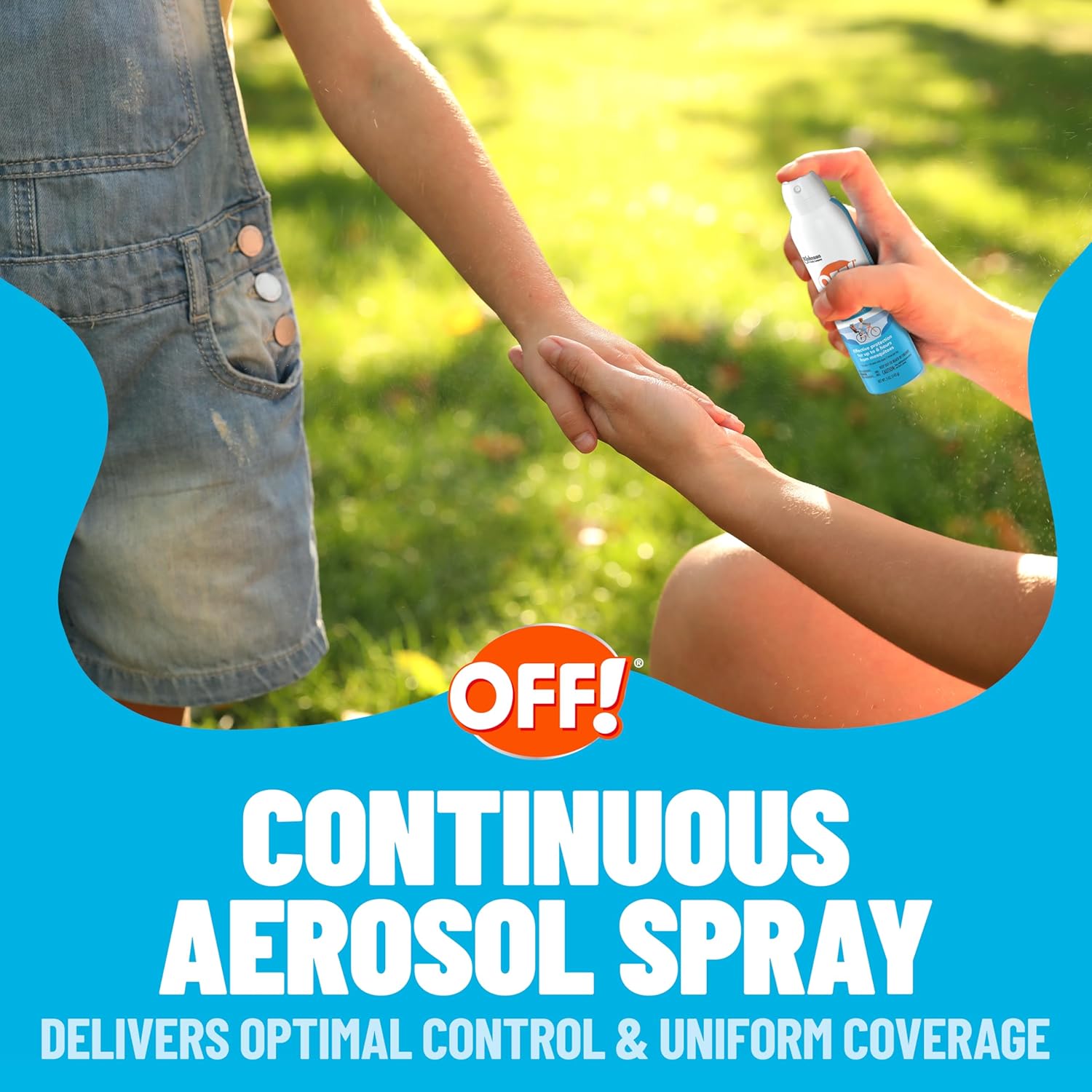
Picaridin-based and nearly odorless, matching this list's pick over strong-smelling DEET sprays.

Keeps repellent off the skin entirely, sidestepping both the smell and the texture problem this list flags.
Looking for well-shaded, low-bug trails?
Find shaded redwood loops and paved park routes where natural tree canopy keeps the sun mild and breeze fresh.

🌲 TrailKids is free to use, but not free to make. If it’s helped you, consider a small donation to keep it running. ☕
Buy us a coffee