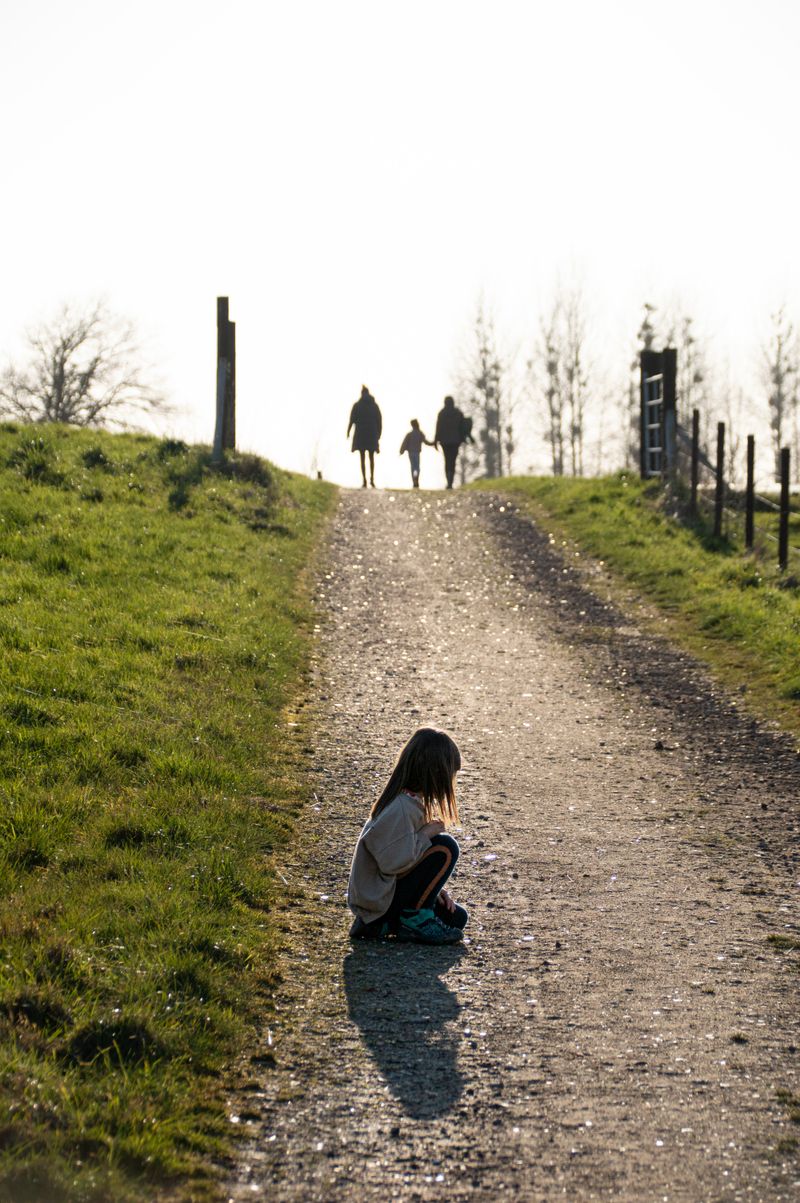
Understanding PDA on the Trail: When "Just Ask Nicely" Doesn't Work
You've tried the countdowns. You've tried the calm voice, the choices, the rewards. Still, the moment you ask your kid to put on their shoes, start walking, or stay on the path, you get a wall of resistance, even for a hike they were excited about ten minutes ago. If this sounds familiar, your child may have a Pathological Demand Avoidance (PDA) profile, sometimes described as a demand-avoidant profile within the autism spectrum. Hiking, with its built-in stream of small instructions, can be one of the hardest environments for a PDA kid, and one of the most rewarding once you adjust your approach.
🧩 What PDA Actually Is
PDA isn't defiance, and it isn't about not wanting to hike. It's an anxiety-driven need to resist perceived demands, even demands to do things the child wants to do. The resistance is triggered by the feeling of being told, not by the activity itself. A kid with a PDA profile might refuse to start walking the second you say "let's go," then start walking on their own thirty seconds later once the pressure is off. That's a nervous system reacting to a loss of autonomy, not manipulation.
This matters because a hike is basically a sequence of demands: put your shoes on, get in the car, stay on the trail, keep walking, drink water, turn around now. Standard hiking-with-kids advice, countdowns, rewards, firm boundaries, often escalates a PDA kid rather than helping, because it adds more visible demand, not less.
📈 What Tends to Make It Worse
- Countdowns and "On My Count" Language: These can feel like a demand with a timer attached, raising pressure rather than easing it.
- Visible Reward Systems: ("If you hike to the top you get ice cream.") Can read as another form of control, even when well-intentioned.
- Repeating an Instruction: Each repeat can raise the stakes rather than clarify the message.
- Praise for Compliance: ("Good job listening!") Can feel like it's rewarding the demand rather than the child, and backfire.
🌤️ What Tends to Help
- Lower the Visible Demand, Even When the Goal Stays the Same: Instead of "put your shoes on," try offering information and stepping back: "shoes are by the door whenever you're ready." Instead of "stay on the trail," try walking the trail yourself and trusting them to follow, rather than instructing them to.
- Offer Real Choices, Not Fake Ones: "Do you want to lead or follow?" or "should we go left or right at the fork?" hands over genuine control in a low-stakes way, which can reduce the need to resist elsewhere.
- Frame It as a Shared Mission, Not an Instruction: "I wonder if we can find three different kinds of leaves before the bridge" invites participation without directly demanding it. Curiosity and collaboration tend to land better than direction.
- Build in Autonomy From the Start: Letting your kid choose the trail, set the pace, or decide when to turn around, within safe limits you've already scouted, removes a huge number of demand points before they even come up.
- Expect It to Look Different Day to Day: A PDA kid might happily hike five miles one weekend and refuse to leave the car the next, on a trail they loved before. That inconsistency is part of the profile, not a sign you're doing something wrong.
🛡️ A Note on Safety
Lower-demand language doesn't mean lower safety. Trail safety essentials, like staying within sight, wearing a helmet on a bike trail, or not approaching wildlife, still need to be firm boundaries. The goal is to reduce demand load on the things that can flex, so you have more capacity, and more trust from your kid, for the things that can't. For safety-specific strategies, see .
🔑 You're Not Failing if the Usual Tricks Don't Work
A lot of parenting and regulation advice, including some of what's elsewhere on this site, assumes a kid who responds well to structure, routine, and clear expectations. For a PDA kid, that same structure can be exactly what triggers the resistance it's meant to prevent. If you've felt like you're doing everything right and still hitting a wall, it's worth considering whether the wall is demand, not defiance, and whether loosening your grip might get you further than tightening it.
Want trails with fewer surprises?
Quiet, predictable trails lower the visible demand load before you even start.

🌲 TrailKids is free to use, but not free to make. If it's helped you, consider a small donation to keep it running. ☕